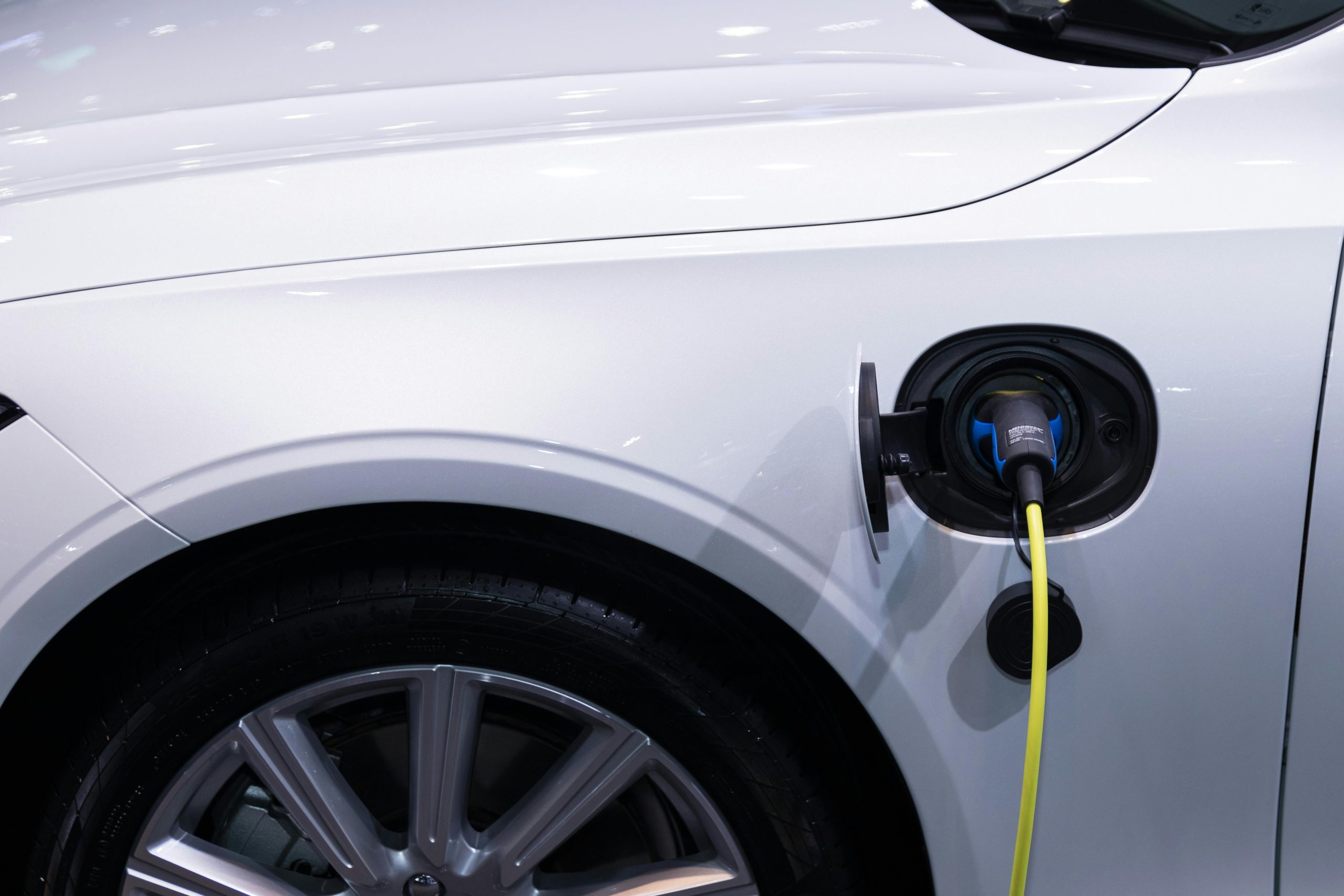
Many drivers assume hybrid cars will slash their expenses thanks to impressive fuel economy numbers plastered across ads and spec sheets. In reality, the picture gets more complicated – hybrids often carry a higher upfront price tag that can offset fuel savings, especially if you drive fewer miles or buy new.
But for certain drivers, particularly high-mileage commuters, the long-term math can still favor hybrids. The key is looking beyond just gas costs to the full ownership equation: purchase price, maintenance, insurance, resale value, and more. Let’s break it down honestly.
Why Fuel Savings Alone Don’t Tell the Whole Story
People gravitate toward hybrids for one clear reason: dramatically better fuel economy. A weekly fill-up stings less when your tank goes further, and fewer gas station stops feel like an instant win. At $3.50 per gallon, one of the most fuel-efficient hybrids – the Toyota Prius (57 mpg combined) – costs about $920 annually for 15,000 miles, compared to $1,500 for a gas Toyota Corolla (35 mpg) – that’s $580 saved yearly on fuel alone.
But here’s the catch – most buyers fixate on pump prices without factoring in the total cost. Gasoline is just one slice of vehicle expenses. Hybrids are perfect for long-distance drivers, but if your annual mileage hovers around 10,000 or less, the payback stretches out. Take the Honda Accord Hybrid (48 mpg) versus the gas Accord (32 mpg): the hybrid saves $350 per year on fuel, but you’ll need to drive it 6–8 years to recoup a typical $2,500 price premium.
Upfront Costs: The Biggest Hurdle
New hybrids command a premium – often $2,000–$4,000 more than comparable gas models – due to pricier batteries, electric motors, and complex engineering. Manufacturers pass those production costs directly to buyers. For budget-conscious shoppers in Indiana, used hybrids for sale at dealerships like Indy Auto Man make far more sense. A 3-year-old Ford Escape Hybrid might run $22,000 versus $26,000 new, while the gas version dips to $19,000 used. Over time, that narrows the gap significantly.
Used market values help: after 3 years, hybrids depreciate more slowly, so you’re not losing as much on resale. The Prius retains 50% of MSRP even after 5 years, beating the Corolla’s 42%. Demand from eco-buyers keeps used prices firm.
Maintenance and Reliability: Not a Major Dealbreaker
Contrary to old myths, modern hybrids match or even beat gas cars for reliability. J.D. Power and Consumer Reports data show hybrids from Toyota, Honda, and Hyundai scoring average to above-average, right alongside gas siblings. No massive repair bills lurk around the corner.
Key differences:
- Brakes: Regenerative braking on hybrids extends pad life to 100,000+ miles (vs. 50,000 on gas cars), saving $500–$800 per service.
- Oil changes: Gas engines run less, so intervals stretch to 10,000 miles (saving $50–$75 yearly).
- Battery worries: Warranties cover 8–10 years/100,000–150,000 miles. Replacements rarely happen within that window and cost $2,000–$4,000 if needed later.
Insurance and Other Hidden Costs
Hybrids sometimes enjoy 5–10% lower insurance premiums thanks to safety tech like automatic braking and fewer claims. A Toyota Camry Hybrid might cost $1,600/year to insure, versus $1,800 for the gas Camry. But registration fees or specialty hybrid plates can add $50-100 in some states.
Bottom Line
Hybrids don’t magically save everyone money – the initial hit matters. But for moderate-to-high mileage drivers, they deliver $3,000–$6,000 in 5-year savings after accounting for fuel, maintenance, and insurance. Used models tilt the equation heavily in their favor.